How Does Hydronic Heating Work?
Hydronic heating warms water using a heat pump, boiler or solar source, then circulates it through pipes to radiator panels or under the floor. The warmth radiates gently into each room and the cooled water returns to be reheated. It is a quiet, draught-free, dust-free way to heat a home evenly, which suits our cooler South-West Victoria climate.
Hydronic heating uses water to carry heat around your home. A heat source warms the water, a pump pushes it through a loop of pipes, that water gives off its heat through radiator panels or an underfloor loop, and the cooled water returns to be reheated. Water carries heat far better than air, which is why it feels so even.
It runs quietly in the background, round and round, rather than blowing hot air through ducts. That is the whole difference in feel.
What are the types of hydronic heating?
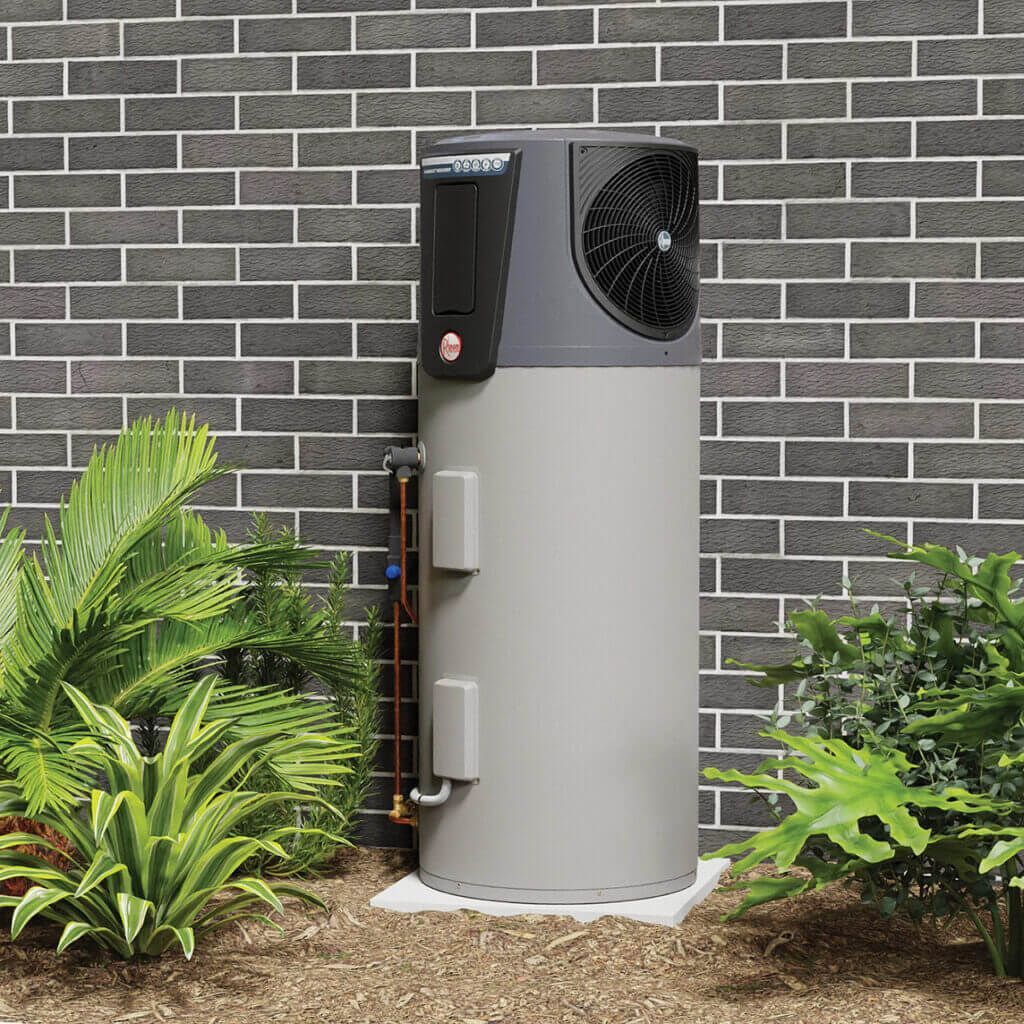
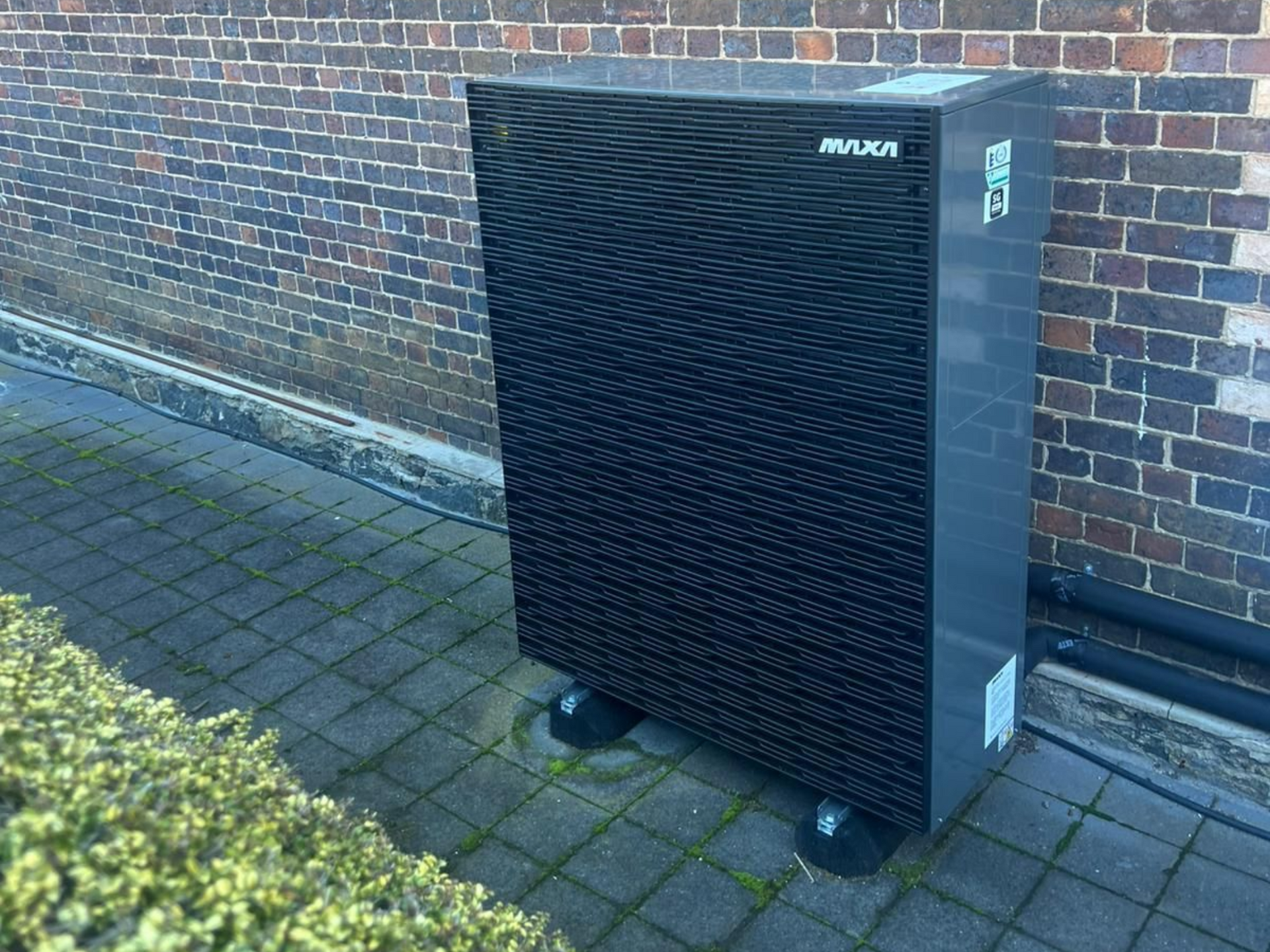
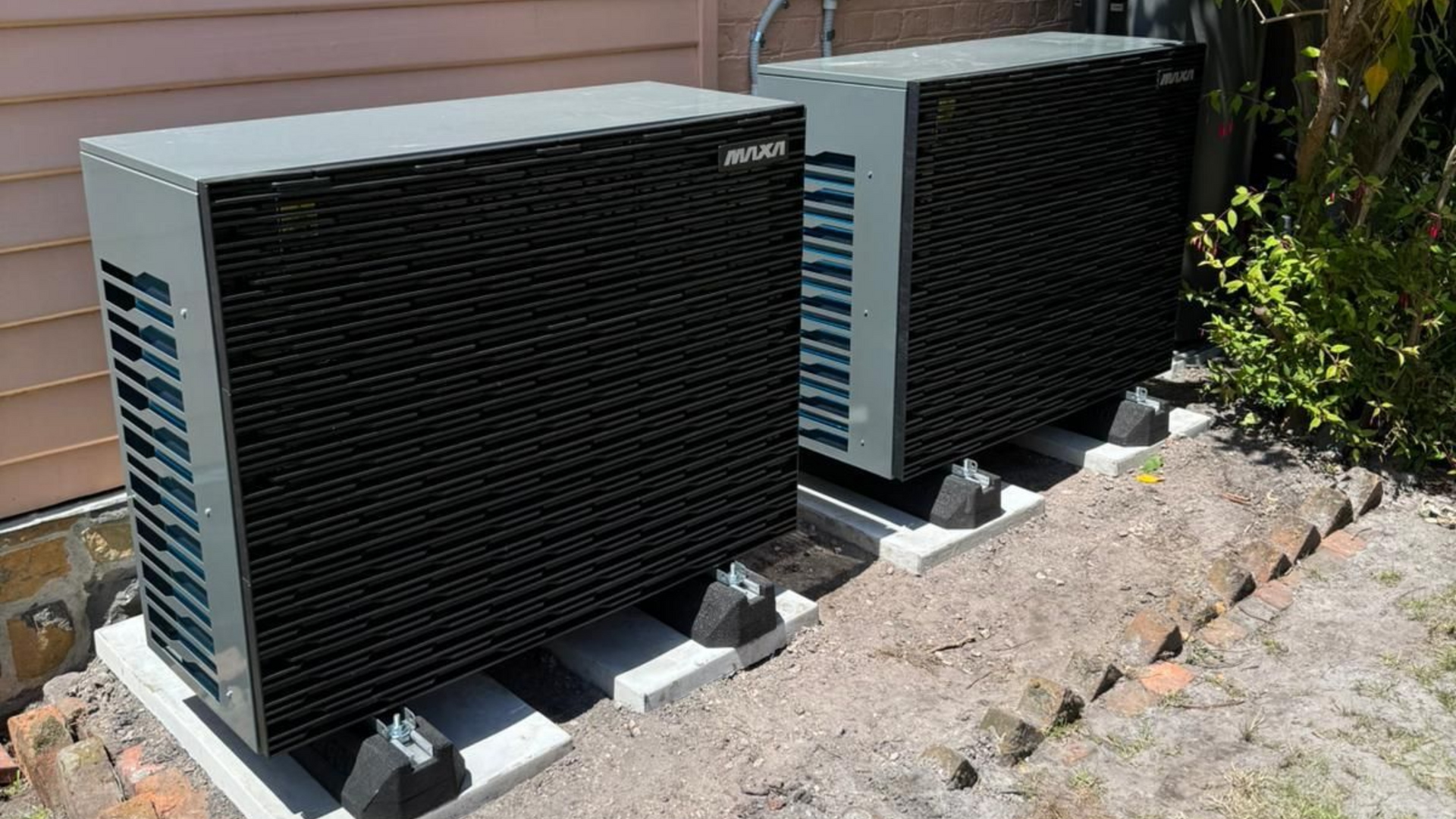
Traditionally a gas boiler, but modern systems increasingly use an electric heat pump (an air-to-water unit), which is efficient and can run on solar. Solar hot water can also feed in. We install all-electric and heat pump hydronic systems like the Maxa, R290 and monoblock ranges across the South-West.
The heat source is a separate choice from the emitters, which is why hydronic does not have to mean gas. More on gas versus electric in our dedicated article.
Why does hydronic heating feel so comfortable?
Because the heat radiates rather than blasts, there are no draughts, no dust getting blown around, and no fan noise. The temperature stays even across the room instead of hot near the vent and cold in the corners. For anyone with allergies or who hates a noisy ducted system, it is a noticeably nicer heat.
It is the reason people who move into a hydronic-heated home rarely want to go back to forced air.
FAQs
FAQs
How does hydronic heating work?
It heats water with a heat pump, boiler or solar source and circulates it through pipes to radiator panels or underfloor loops. The heat radiates gently into the room and the cooled water returns to be reheated.
What are the types of hydronic heating?
The main emitters are wall-mounted radiator panels, underfloor heating, and towel rails or trench convectors. The water can be heated by a heat pump, a boiler or solar.
Is hydronic heating the same as ducted heating?
No. Ducted heating blows hot air through vents, while hydronic circulates warm water to radiate heat. Hydronic is quieter, dust-free and more even, with no draughts.
You can also reach the team by phone on
(03) 5562 9020. Find
O'Brien Electrical & Plumbing on Google to read reviews and connect with the local team.